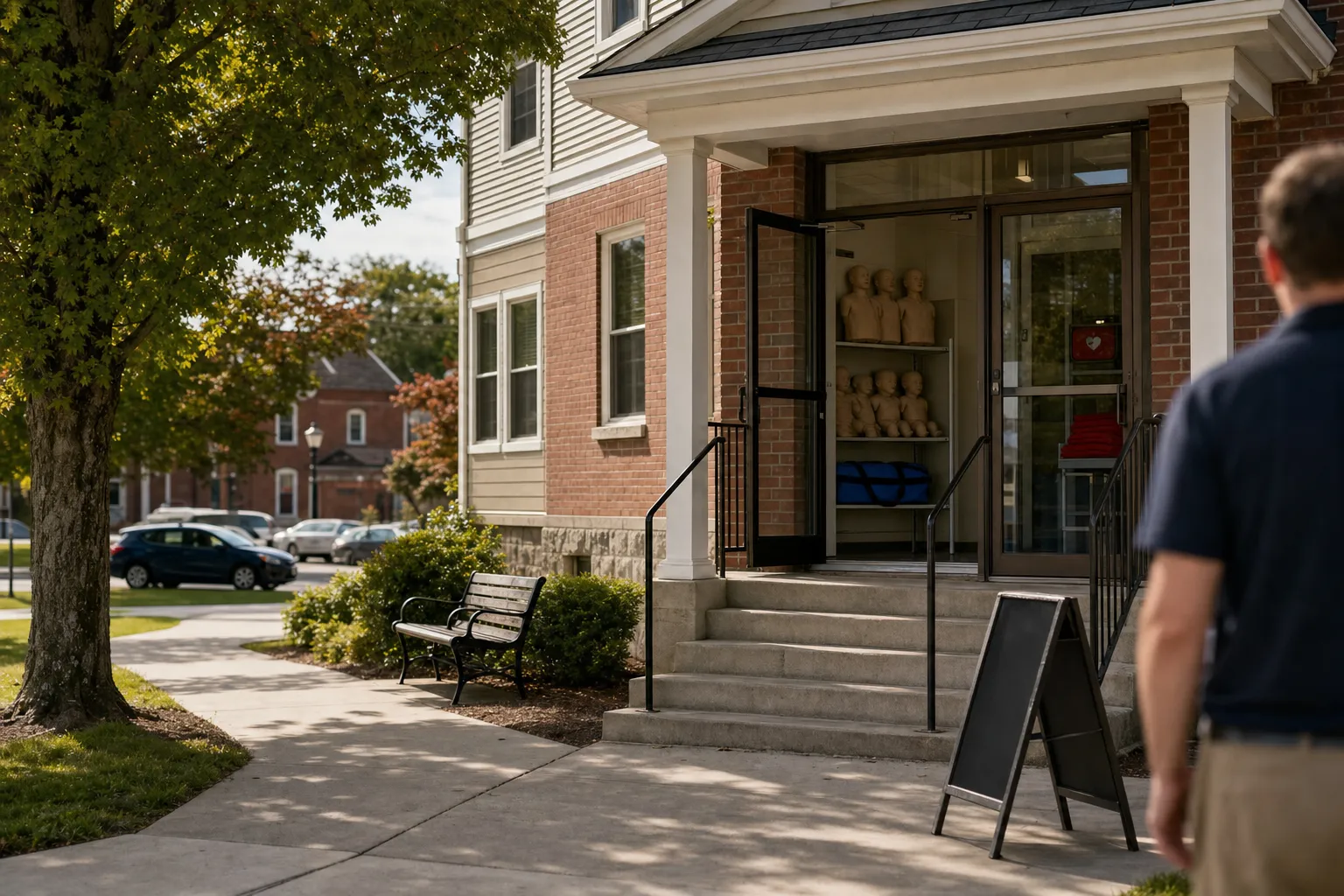
To compare options for opioid overdose response training in Stony Run, Pennsylvania, look first at whether the class covers overdose recognition and naloxone administration, includes hands on scenario practice, and is taught by certified instructors. We recommend courses that pair supervised naloxone practice with realistic scenarios, clear supply recommendations, and local guidance on regulations and resources.
What matters most when you compare classes
Not all trainings labeled opioid overdose response cover the same material. Focus on these pillars when you compare offerings.
- Curriculum coverage for opioid recognition, rescue breathing, and naloxone administration.
- Instructor qualifications, clinical oversight, and certification pathways.
- Hands on practice and scenario drills that build confidence under pressure.
- Class format, size, and accessibility for your team or group.
- Supplies and kits aligned with local and federal preparedness guidance.
- Local relevance, including awareness of regional EMS and referral resources.
Step by step: How we evaluate training options
- Confirm specific learning objectives. Look for explicit goals such as safe recognition of opioid overdose, naloxone device types and administration, post reversal care, and when to summon emergency medical services.
- Check instructor credentials. Ask whether instructors are certified through trusted programs. Our educators are certified through PQAS and we recently added American Heart Association Basic Life Support courses to our offerings.
- Assess hands on time. Preference goes to sessions that let each attendee practice naloxone administration on training devices and run through short scenarios with feedback.
- Verify supply guidance. Good programs explain naloxone storage, kit contents, and include curated first aid and preparedness supplies. We align our recommendations with FEMA and Pennsylvania emergency preparedness guidance and offer clinician reviewed kits.
- Compare formats and group fit. Decide between public classes, on site training for workplaces, or blended models. Consider class size, time per student, and whether the format supports scenario practice.
- Look for local context and follow up. Strong courses discuss regional resources, local EMS expectations, and options for refresher training.
Pro tip: When a class lists naloxone administration, confirm whether it covers both nasal spray and injectable formulations and whether trainees handle training devices during class.
Hands on practice versus lecture only
Lecture builds knowledge, but competence comes from practice. In our review process we prioritize classes that balance brief, evidence based instruction with repeated hands on practice and scenario repetition.
Pros
- Hands on practice improves speed and confidence when seconds matter.
- Scenario drills build teamwork and role clarity.
- Supply oriented classes leave you ready to equip a workplace or classroom.
Cons
- Lecture only sessions can leave learners uncertain about device handling.
- Very large classes reduce instructor feedback time.
Checklist to compare specific offerings
Before you choose a class
- Does the syllabus list overdose recognition and naloxone administration?
- Are instructors certified through a recognized body such as PQAS or an equivalent?
- Will each participant practice with training devices or manikins?
- Is there a recommended first aid supply kit or checklist aligned with FEMA or state guidance?
- Does the course explain local EMS contact practices and Good Samaritan principles?
Watch out: Be cautious of trainings that promise certification but offer only a slide deck and no skills practice. That format does not prepare people to act calmly and correctly during an overdose.
How format, audience and cost affect suitability
Choose the format based on who will attend and how they will use the skills. For example, childcare staff and senior care teams need short, repeatable scenarios tailored to likely settings. Workplace safety teams may prefer on site sessions that include kit planning and documentation guidance.
When you compare public classes and on site training, weigh the tradeoffs in convenience and practice intensity. On site sessions can be customized to your environment, while public classes often provide a standard syllabus and mixed group practice opportunities.
We offer both public and tailored emergency response training options. See our Emergency Response Training service page for course outlines and how we adapt content for different audiences.
For learners who want broader life saving skills, consider pairing opioid response training with CPR or first aid. Our CPR Training and First Aid Training pages explain how those courses complement overdose response.
What good training looks like in Stony Run
Good local training combines nationally recognized practices with regional awareness. A high quality class for Stony Run attendees will reference Pennsylvania guidance, include clear instructions on naloxone use, and point to local resources such as area EMS protocols and community distribution programs.
Care First Education delivers instructor led, hands on courses taught by PQAS certified educators. We also curate first aid and preparedness supplies under the supervision of a FEMA certified registered nurse to help groups meet training and compliance needs in Stewartstown and surrounding communities.
Key takeaway
Compare opioid overdose response classes by checking curriculum, instructor qualifications, hands on practice, and local fit. Prioritize programs that include supervised naloxone practice, scenario drills, and clear supply guidance so learners leave ready to act.
Frequently asked questions
What should a course on opioid overdose response include?
A complete course covers signs of opioid overdose, airway and breathing support, naloxone device types and administration, post reversal care, when to contact emergency services, and practical scenario practice. It should also provide guidance on kit contents and storage.
Do I need special certification to carry or use naloxone in Pennsylvania?
Training requirements and distribution rules vary by state and program. A good class explains local regulations and community naloxone programs. We include regional guidance for attendees from Stony Run and nearby communities.
How important is instructor certification?
Instructor certification matters because it shows the educator has met standards for teaching life saving skills. Our instructors are certified through PQAS and our course content follows current protocols from recognized organizations.
Can opioid overdose response be combined with CPR or first aid classes?
Yes. Combining opioid response with CPR and basic first aid gives participants a broader skill set for real emergencies. See our CPR Training and First Aid Training pages for course options that complement opioid response education.
Learn more and find local details
Check our Google Business Profile to read reviews and get directions, and visit related pages on our site to compare course outlines and locations.