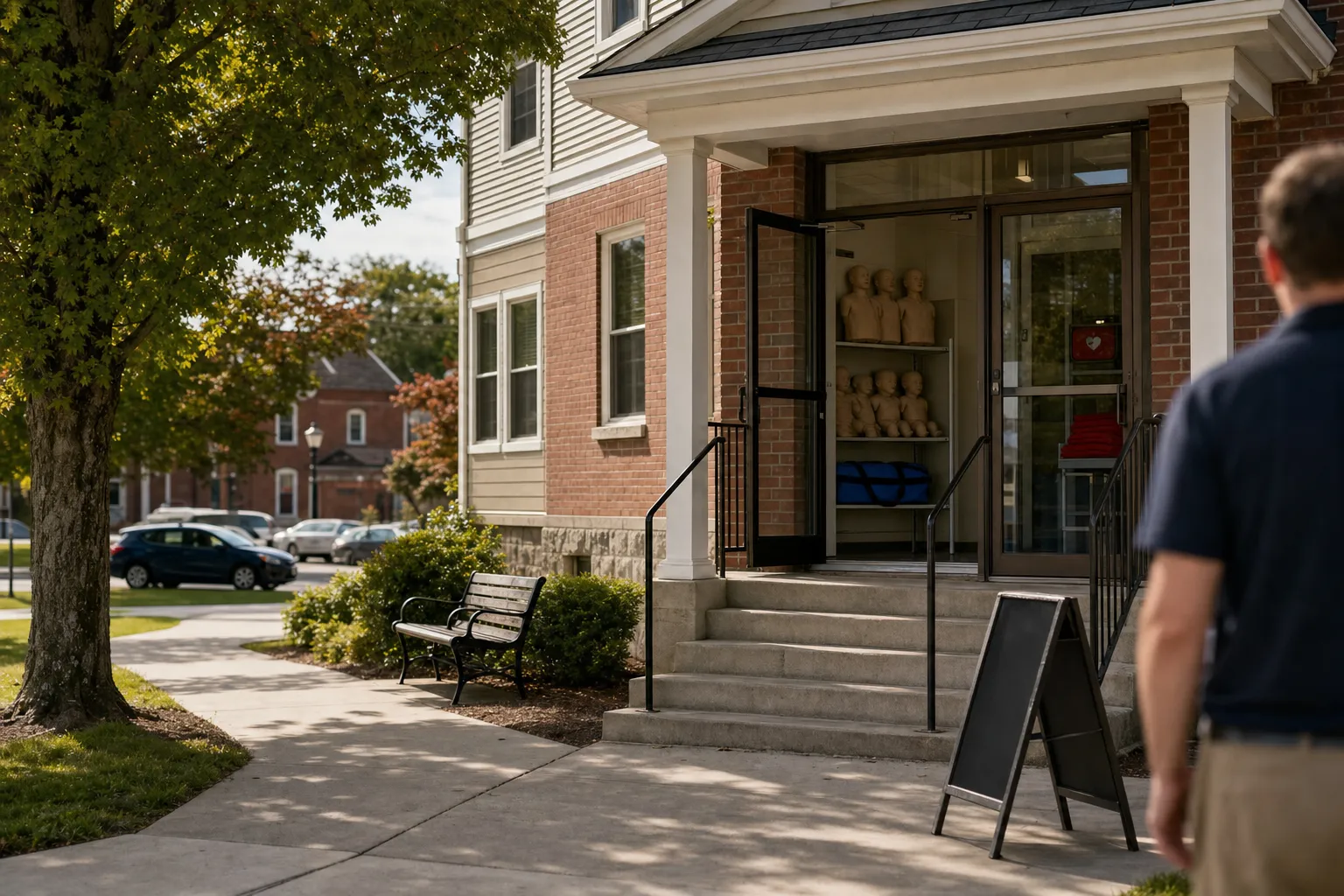
CPR certification is more complicated than many people expect because training depends on well maintained equipment, current clinical protocols, and clear documentation of skills. We manage equipment care, instructor validation and compliance so your time in class focuses on hands on learning, not logistics.
What people miss when they think about CPR certification
Most learners picture a single class where they learn chest compressions and rescuers pass a simple test. In practice there are several moving parts that affect timing, course format and outcomes. Equipment is central. A worn or poorly cleaned manikin, an outdated AED trainer, or missing consumables can delay a session or reduce the quality of practice.
Other common complications include updated resuscitation guidelines, the need for scenario practice that simulates real responses, documentation requirements for certificates, and infection control when many people practice on the same equipment.
How equipment care adds complexity
Manikins and skill feedback devices
Manikins and feedback devices give learners real time information about compression depth, rate and ventilation. To provide accurate feedback, sensors and electronics need regular inspection, calibration and cleaning. If a manikin fails a self test before class, we must repair or swap it out, which changes class flow and sometimes requires rescheduling.
AED trainers and consumables
AED trainers simulate shock delivery and require functioning batteries, intact pad connectors, and up to date software. Instructors verify trainer operation before each session. Consumables like face shields, lung bags and disposable lungs must be stocked and checked for expiry. Managing those items is a routine but essential task.
Infection control and cleaning
Shared practice surfaces require cleaning between learners and classes. Following manufacturer cleaning guidance and current public health recommendations prevents cross contamination while preserving the lifespan of training equipment. We follow manufacturer care instructions and current clinical guidance from recognized authorities such as the American Heart Association when developing our cleaning protocols.
Pro tip: Asking what cleaning agents a training provider uses and how they follow manufacturer guidance helps you pick a class that balances safety and equipment longevity.
Standards, instructor credentials and documentation that affect certification
Certification depends on more than a stopwatch. Agencies and employers often require specific course versions, documented skills checks, and instructor credentials. At Care First Education LLC our educators are certified through the Pennsylvania Qualifications for Allied Services program, PQAS, and we have added American Heart Association Basic Life Support courses to our offerings. That instructor credentialing is part of why certification can take extra coordination.
We also keep written records of skills assessments and course completion that meet employer and regulatory expectations. If your workplace or school needs a certain format, we confirm that ahead of time so the certificate you receive meets your compliance needs.
Typical causes of delays and how we prevent them
- Equipment failure because of low battery or damaged connectors
- Missing consumables like disposable lung bags or face shields
- Outdated course materials when guidelines change
- Insufficient instructor to student ratio for hands on practice
- Inadequate infection control procedures for group practice
To reduce interruptions we stage equipment checks before every session, stock spare trainers and consumables, and maintain a service log for each manikin and AED trainer. For more on how we store and service training equipment, see our Equipment Care topic.
What we do, step by step, to keep certification reliable
- Preclass equipment inspection. We test manikins and AED trainers, confirm battery charge, and verify feedback devices report correctly.
- Consumable inventory. We inspect and replace disposable items such as lung bags, face shields and simulated medication props.
- Cleaning and disinfection. We follow manufacturer cleaning guidance and clinician reviewed protocols to sanitize practice surfaces between learners.
- Instructor validation. Our PQAS certified instructors perform preclass briefings and skills checks aligned with the current American Heart Association and course specific criteria.
- Documentation and reporting. We record student performance and issue certificates that reflect the course content delivered and the method of assessment.
Checklist for organizations planning group CPR certification
Before your group session
- Confirm the course type and version your organization needs with your employer or insurer
- Tell us about special requirements for staff, such as pediatric focus or workplace compliance
- Estimate class size so we can arrange the correct instructor to student ratio
- Decide if you need portable AED trainer setups or additional first aid kit supplies
How classroom logistics influence what you receive
Format choices change the classroom experience. Short blended courses require online study before in person skills checks. Instructor led daylong classes include extended scenario practice and time for repeated feedback. If an organization wants certificate documentation that proves competency under workplace rules, we allot extra time for thorough skills assessment. See our CPR Certification service page for full course descriptions and requirements.
Common questions about equipment and certification
Below are practical answers to questions we hear from healthcare students, childcare staff and small business trainers in Stewartstown and nearby communities.
Will equipment problems void my certification?
Not usually. If equipment failure prevents a valid skills check, we arrange an alternative session or provide a make up opportunity so your certification reflects a complete assessment.
How do you clean manikins between learners?
We follow each manufacturer’s cleaning instructions and clinician reviewed protocols that balance effective disinfection with preserving sensor accuracy and materials. We also use barrier devices such as disposable face shields when appropriate.
Are AED trainers and real AEDs interchangeable for practice?
AED trainers mimic the look and sequence of real devices but are not for patient use. Training devices help learners practice pad placement, voice prompts and responder actions safely. We include AED program topics and simulated scenarios in courses that require them.
Practical tips for learners and training coordinators
- Tell the provider about allergies and PPE needs for your group
- Ask which course version and issuing organization will appear on the certificate
- Request a review of the equipment cleaning protocol if infection control is a concern
- Confirm how skills are assessed and what documentation you will receive
Watch out: A provider that cannot describe how they maintain or disinfect training equipment may not be following manufacturer guidance or current clinical recommendations, which can affect both safety and the accuracy of feedback devices.
How local factors change logistics in East Hopewell and Stewartstown
Small community classes often bring together learners from schools, daycare centers and local businesses. Serving Stewartstown and surrounding communities means we adapt scheduling, portable equipment needs and supplies to local group sizes. If your organization needs course documentation for regulatory or workplace reasons, tell us up front so we can plan adequate time and equipment for thorough assessment.
We also curate first aid and preparedness kits that meet Pennsylvania and FEMA guidelines and that are appropriate for classrooms and small organizations. Those supplies support ongoing readiness beyond the certification day. Learn more about our First Aid Kits topic and AED Programs topic for details on recommended supplies and setup.
Related topics and how they connect
Understanding equipment care helps when you are choosing a course or preparing a group. Read more on our Equipment Care topic to see how we manage training assets. If you are organizing staff training, our Instructor Qualifications topic explains who leads classes and what credentialing they hold. For supply needs and classroom readiness, consult our First Aid Kits topic. The CPR Training topic gives a broader view of course formats and options.
Key takeaway
CPR certification involves equipment care, instructor validation, protocol updates and clear documentation as much as hands on practice. We handle the operational steps so your class time stays focused on learning lifesaving skills.
Frequently asked questions
How often do manikins need maintenance?
Maintenance depends on manufacturer guidance and usage. We perform routine checks before each class, schedule periodic servicing per manufacturer recommendations, and replace consumables as needed.
Do you follow a national guideline for CPR protocols?
Yes. Course content and cleaning practices reflect current resuscitation science and recognized guidance from national organizations such as the American Heart Association.
Can large groups be certified in one day?
Large groups can be certified, but requirements such as instructor to student ratios, equipment availability and the extent of skills assessment may affect whether a single day is practical. We plan sessions to ensure each learner receives adequate hands on practice and assessment.
Where to learn more
Check our Google Business Profile for reviews and directions, and visit our location page to learn about services in Stewartstown and the surrounding area.